
Marcus Arcabascio
COO, CoastFi

“From the first call, I knew Jackson was the most knowledgeable person I had talked to about business automation.”
 Schedule a Free Intro Call
CONNECT THE SOFTWARE YOUR BUSINESS DEPENDS ON
I connect CRMs, billing platforms, support tools, databases, internal systems, and custom software so information moves automatically instead of being copied and reconciled by your team.





The Problem
Most growing companies don't intentionally build a disconnected tech stack. It happens one tool at a time.
You add a CRM. Then billing. Then customer support. Then scheduling or project management. Someone builds an automation between two of them. Someone else creates a spreadsheet because a piece of information still isn't getting where it needs to go.
Eventually, every tool may work fine on its own - but the handoffs between them become the problem.
Customer information gets entered twice. Teams disagree about which system is correct. Reports need exports and cleanup. Automations quietly break. A simple workflow change suddenly affects four different systems.
That's the part I fix.
I map how information should flow through your business, determine where the source of truth should live, and build the APIs, integrations, automations, and safeguards that make your systems operate as one connected stack.
Sound familiar? Bring me the mess.
Schedule a Free Intro CallProof
The most consistent feedback I get is that I can understand a messy system quickly, identify where the handoffs are breaking down, and make practical changes that reduce friction fast.
COO, CoastFi
“From the first call, I knew Jackson was the most knowledgeable person I had talked to about business automation.”

Co-Founder & CEO, Tend
“Jackson has the incredible ability to understand business problems, build functional products quickly, and adjust on the fly. I just wish we had found him 6 months earlier.”

Co-Founder & CEO, Storetasker

“Jackson’s superpower is his ability to automate nearly everything he touches.”
Together, We Can Unblock Your Growth
With 10 years of experience growing marketing teams, managing software engineers, and running ops for some of the fastest growing startups in NYC, I have the technical know-how, the core principles, and the battle-hardened experience to create the systems your business needs to keep growing.






All tuned towards one thing: making growing your startup smoother and faster.
But don't just take my word for it...
How I Work
What I do
What you get
I will onboard quickly, review the current tools, trace how information is supposed to move, and identify where the system is breaking down in practice.
You get a clearer picture of which handoffs are failing, which mismatches are creating manual work, and where the fastest wins are.
I will work with 2 people on your team: one who sees the bigger picture, understands the goals of the company, and can help me set priorities (the C-suite), and one person who is doing the day-to-day work, feeling the pain of these broken systems, and can give me direct feedback on the tools and workflows I am improving.
My work will solve for both the strategic priorities of the company and the real day-to-day friction your team is dealing with.
I will make the necessary changes directly. That may include integrations, workflow cleanup, field mapping, system redesign, automation, or reporting fixes.
Your team spends less time copying data, fixing avoidable errors, and chasing information across tools.
I will meet weekly to review progress, align on what comes next, document the system clearly, and train the team so the improvements actually hold up.
You get better visibility, stronger adoption, and a setup that is easier to trust and maintain after the work is done.
To kick things off, let's get on a free 30-minute call.
For 20 minutes, you can rant to me about what is broken, where the team is getting stuck, and what feels harder than it should. We'll spend the last 10 discussing real solutions to your problems.
I'll see if I can outline actionable next steps that you can implement on your own. If we determine that you need my help, we'll discuss next steps there as well.
You do not need to prepare a deck or organize your thoughts perfectly beforehand. Just come ready to talk through what feels broken, fragile, frustrating, or harder than it should be.
Bring me the bottlenecks, broken workflows, reporting issues, handoff failures, and operational headaches slowing your business down. I will help you get clearer on what is actually wrong and where the fastest wins are.
Schedule a Free Intro CallWhy It Matters
Better systems do not just make the tech stack look cleaner. They make the business easier to run, easier to measure, and far less dependent on manual patchwork.
Integrated systems cut down on re-entry, spreadsheet cleanup, and manual workarounds.
Cleaner handoffs mean fewer gaps, fewer mismatches, and fewer fires caused by disconnected software.
Better-connected systems make it easier to see what is happening across the business without piecing it together manually.
When information flows cleanly, people spend less time hunting, fixing, and waiting.
Better systems reduce errors, improve handoffs, and create a more reliable customer experience.
As the business grows, a stronger system keeps operations from getting messier and harder to manage.
When the system is coherent, it becomes much easier to measure bottlenecks, diagnose issues, and improve the way the business runs.
Fit
Companies whose tools have multiplied faster than their operating system.
The Results
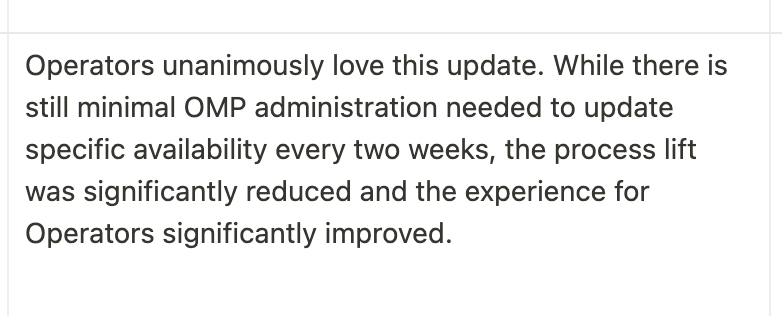
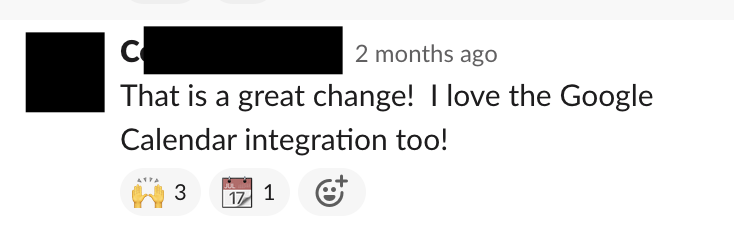
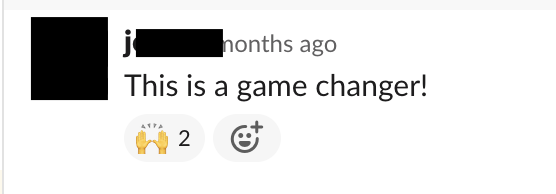
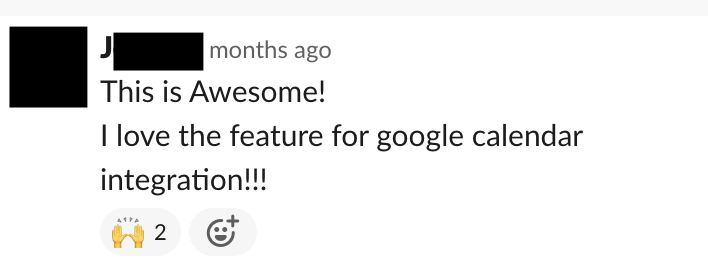
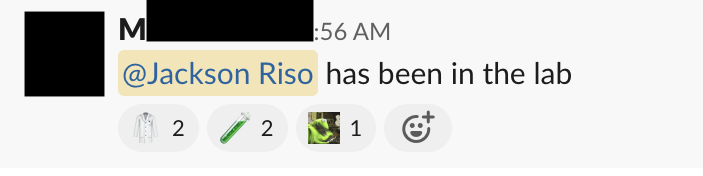
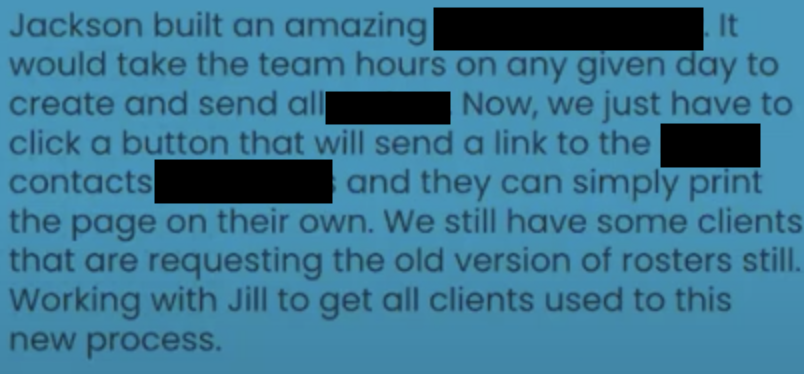
Because my client work is protected by NDAs, I can’t show the exact deliverables. Instead, I’ve included anonymized reactions from real clients to what I built for them. Here are a few more:

FAQ
Over about 30 minutes, you walk me through where work is breaking between systems, which tools are creating friction, and what feels more manual than it should. I ask questions, help identify the real breakdown, and aim to give you practical next steps on that first call whether we work together or not.
About 20% of the time, there is a fit, and I will let you know. If you agree, we'll quickly outline what we hope to accomplish in the first 2 weeks to 3 months. From there, we can discuss my month-to-month pricing and begin diagnosing, prioritizing, and implementing the highest-impact changes.
About 80% of the time, potential clients don't actually need my help, they just need to make one simple change. I'll tell you what change to make and send you off to go make it. If, after making that change, you still think you need my help, we can always hop on another call.
Often very quickly. Usually, within the first call. In most cases, I am able to onboard fast, identify meaningful opportunities early, and begin implementing changes within the first 2 weeks.
Currently, I onboard one client per month. If there is a fit, I try to get into the business fast so I can start learning the system, meeting the right people, and identifying the first areas to improve.
You do not need to be involved in every detail, but I do need enough access to understand the business, align on priorities, and get feedback as the work progresses. The goal is not to create more work for you. The goal is to make the right changes with the right level of visibility.
Ideally, I work with one person who sees the bigger picture, understands the company goals, and can help me set priorities (perhaps you?), and one person who is closer to the day-to-day work and can give direct feedback on what is not working.
Both. Part of the process is embedding into the team enough to understand how the work really happens. I work with leadership for priorities and with the people doing the day-to-day work so the changes are grounded in reality.
The best fit is when growth is exposing systems cracks: disconnected tools, manual re-entry, fragile reporting, broken handoffs, too much cleanup work, and teams spending too much time fighting the stack instead of using it.
I start by working with what you have. There are often enormous improvements we can make with your existing tools. If I think a new tool will bring a worthwhile ROI, I'll let you know, we'll discuss it, and I'll present my plan to seamlessly transition over.
Usually some combination of CRM, forms, scheduling, billing, reporting, internal databases, and automation tools. The exact stack matters less than whether information is moving cleanly between the right parts of the business.
I would lose my mind from boredom if I only advised. I love rolling up my sleeves and getting my hands dirty. I implement the changes directly. I do not just identify what should happen. I help make it happen.
My processes are both internally and externally documented. Internal documentation means that all processes follow a standard format, nomenclature, and numbering system. From within the process, it's easy to see what comes next. External documentation means the process, systems, and decisions are written down clearly enough that the work can be maintained. Training means I work directly with the people who need to use the system so they understand it, trust it, and can run it well.
Yes. The way I work, the team are incentivized to learn the new system. I promise you, your team does not love the chaos any more than you do. If my new systems make their lives easier, they'll be excited to use them. Team training is an important part of the work. A better system is only useful if the people running it understand it and trust it.
Start Here
If your systems feel messy, disconnected, or harder to trust than they should be, let's start with a 30-minute conversation. Bring me the workflow issues, reporting mismatches, manual workarounds, and broken handoffs you are dealing with, and I will help you get clearer on what is actually broken, so that we can solve it together.
Schedule a Free Intro CallFor nearly every client so far, I have been able to onboard and make improvements within the first 2 weeks.